
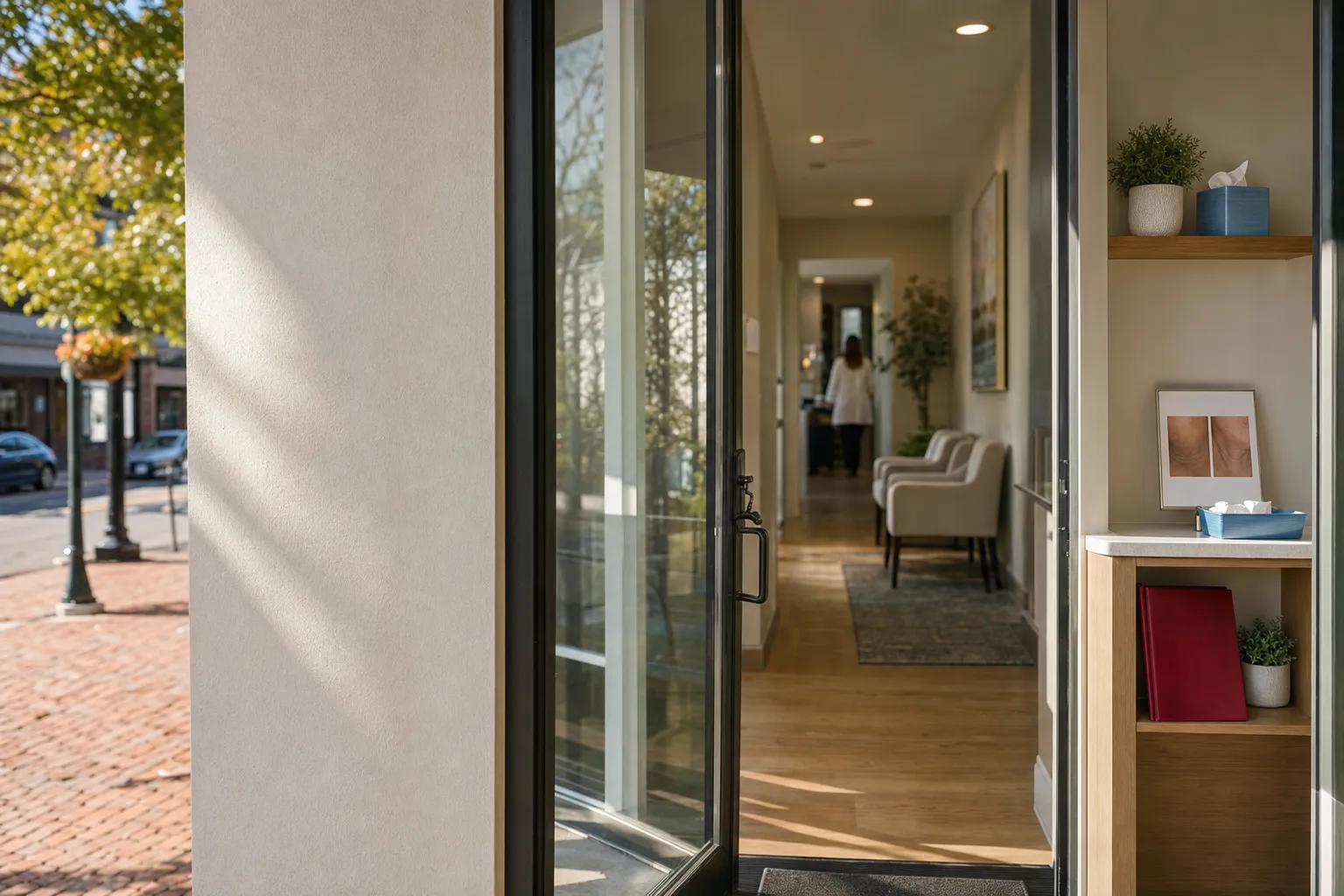
Short answer: a skin biopsy at our office is usually a brief in clinic procedure, the wound heals over one to three weeks, and pathology results most often return in three to ten business days depending on the lab. Costs vary widely based on the biopsy method, pathology fees and your insurance, and we review those details before the procedure.
What a skin biopsy is and why it matters
A skin biopsy is when we remove a small sample of skin so a pathologist can look at it under a microscope. That sample helps confirm diagnoses such as suspicious moles, rashes that do not respond to treatment, infections, and some inflammatory conditions. For people worried about a changing spot or an unexplained rash, a biopsy is often the most direct way to get a definitive answer.
At Greenblatt Henry A MD | Horizon Family Medical Group | Dermatology we perform biopsies as part of broader dermatology care, and we coordinate follow up with your primary care doctor or referring physician when needed.
Why timing and cost vary locally
Several local factors change how long results take and what you will pay. The type of biopsy, which pathology lab handles the specimen, whether additional stains or molecular tests are required, and your insurance plan all matter. Turnaround times in the Hudson Valley can be shorter when we send specimens to a local pathology lab, and costs can differ if specialized testing is required.
We are a licensed and insured dermatology practice led by Henry A Greenblatt, MD, and we explain timing and billing before any in office procedure.
Key concepts to understand
- Biopsy types. Punch, shave and excisional biopsies are the common methods. Each removes a different amount and depth of tissue.
- Pathology review. A pathologist examines the specimen and issues a written report that guides diagnosis and next steps.
- Turnaround time. Routine pathology usually returns in three to ten business days, though urgent requests can be faster and complex tests take longer.
- Healing and aftercare. Most biopsy sites heal in one to three weeks. Sutures, if used, are typically removed in seven to fourteen days.
- Costs and billing. The clinic procedure, pathology charges and any additional tests all factor into the final cost. Insurance coverage affects your out of pocket responsibility.
Typical timeline, step by step
- Initial assessment. We review the spot or rash, your medical history, medications and bleeding risk. This happens during a dermatology visit at our Newburgh area practice.
- Procedure scheduling. Many biopsies are offered the same day when appropriate, otherwise we schedule a convenient appointment.
- The biopsy procedure. In clinic, a biopsy usually takes 10 to 30 minutes including prep and local anesthesia. The sample is placed in preservative and sent to pathology.
- Pathology analysis. Routine review often returns in three to ten business days. If special stains or molecular testing are needed, the report can take longer.
- Follow up and plan. We review results with you and discuss treatment options or further procedures, and we coordinate with your primary care physician when appropriate.
How biopsy method affects timeline and results
Choice of method depends on size, location and the question we need the sample to answer.
- Punch biopsy. Removes a small cylindrical sample. It is fast, gives full thickness skin for diagnosis, and usually heals well with a small suture or by second intention.
- Shave biopsy. Removes a surface sample. It is quick and often used for raised lesions, but sometimes provides less depth for certain diagnoses.
- Excisional biopsy. Removes an entire lesion with margins. This is used when we need the whole spot for diagnosis or treatment. Healing time is longer and sutures are commonly used.
What affects cost and how we handle billing
We do not quote flat prices online because costs depend on multiple variables. Key cost drivers include the biopsy method, the laboratory used for pathology, whether special tests or immunostains are required, and your insurance coverage and benefits.
Before a procedure we explain the likely components of billing, which typically include a procedural charge for the clinic and a separate pathology bill from the laboratory. If you have questions about coverage, we recommend checking benefits with your insurer. We also provide estimates of typical pathways so you know what to expect financially.
Questions to ask your insurer or us before a biopsy
- Does my plan require prior authorization for outpatient dermatologic procedures?
- Is pathology lab work covered under the same benefit as procedural care?
- What is my out of pocket responsibility for office procedures and lab tests?
What to expect during and after the procedure
We keep the procedure straightforward and as comfortable as possible.
- We clean the area and use local numbing medicine so you feel little to no pain during the biopsy.
- After the sample is taken we apply a dressing and give written aftercare instructions covering wound care, signs of infection and when to return for suture removal if needed.
- Expect mild soreness, minor bleeding and scabbing as the site heals. Avoid strenuous activity that strains the area until it is healed.
Pro tip: A photograph of the lesion before the biopsy can help with documentation and follow up, especially for small or changing spots.
How we approach biopsies at Greenblatt Henry A MD
We evaluate each case in the context of the patient as a whole. That means reviewing medical history, current medications, and cosmetic concerns, and discussing the tradeoffs of different biopsy methods. Our goal is a diagnostic result with the smallest reasonable procedure and clear aftercare instructions.
We refer to relevant information and follow best practices when coordinating pathology. For patients in Walden and the surrounding Hudson Valley, we aim to keep logistics simple by explaining expected timelines and who will receive the pathology report. Learn more about our general dermatology services on our Dermatology service page and about specific biopsy guidance on our Skin Biopsy Guide topic page.
Common questions patients ask
- Will a biopsy leave a scar? All skin procedures can leave a scar. Scar size depends on the biopsy type, location and your individual healing. We discuss scar minimization and, if needed, refer to our Scar Removal options after healing.
- How do I know if a spot needs a biopsy? Rapid growth, change in color or shape, bleeding, ulceration or a firm raised spot are reasons to evaluate a lesion. We handle lesion review during mole checks and lesion evaluations.
- What if the pathology report is unclear? Occasionally additional stains or a second pathology opinion are needed. We arrange those steps and explain why they help reach a reliable diagnosis.
Related services and locations
If a biopsy is part of a larger treatment plan, we coordinate next steps with our other services, such as Skin Lesion Treatment and Acne Treatment. For patients in the area, we see people from Walden and the greater Newburgh area at our Newburgh location where we perform in office procedures.
Helpful links:
Helpful external resources
For background reading on biopsy techniques and patient guidance, reliable external sources include the American Academy of Dermatology and the National Library of Medicine. These sites explain methods and typical expectations from the clinician and patient perspectives.
Selected authoritative sources:
When to call us or seek immediate care
Contact your care provider right away if you see increasing redness, spreading drainage, severe pain or fever after a biopsy. These can be signs of infection that need prompt attention. If you have concerns about bleeding that will not stop after basic first aid, seek urgent care.
Comparison at a glance
| Biopsy type and typical use | Healing time |
|---|---|
| Punch biopsy, small full thickness sample | 1 to 3 weeks, sutures sometimes removed at 7 to 14 days |
| Shave biopsy, surface sample for raised lesions | Several days to two weeks, scab forms and falls off |
| Excisional biopsy, entire lesion removed | 2 to 4 weeks, sutures often removed at 7 to 14 days |
Frequently asked questions
How long does it take to get biopsy results?
Routine pathology reports most commonly arrive in three to ten business days. If the pathologist requests additional stains or studies, results can take longer. We notify you as soon as the report is available and explain any next steps.
Will my insurance cover a skin biopsy?
Coverage varies. Many plans cover medically necessary biopsies, but you may still have an out of pocket responsibility for the clinic and pathology charges. We discuss expected billing components before the procedure and can help you understand the typical flow of charges.
Does a biopsy hurt?
The area is numbed with a local anesthetic before the biopsy, so most patients feel pressure rather than pain during the procedure. Expect some soreness afterward that is manageable with over the counter pain medicine unless otherwise advised.
What should I do if the biopsy site looks infected?
If you notice increasing redness, swelling, warmth, pus or fever, seek prompt medical attention. These are potential signs of infection and may require treatment.
Key takeaway
A skin biopsy is a common office procedure that gives a clear diagnosis in most cases. The overall timeline includes same day or scheduled procedure time, a healing period of one to three weeks, and pathology results usually back in three to ten business days. Cost depends on the method, lab testing and insurance, and we walk patients through those factors before proceeding.
Learn more and find us
Read our Skin Biopsy Guide for detailed questions about the procedure, review our Dermatology services, or see details for our Newburgh location to plan your visit and directions. You can also check our Google Business Profile for reviews and hours.